
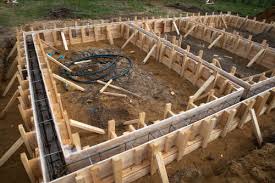
The Importance of a Strong Foundation
When it comes to building anything – whether it’s a house, a relationship, or a business – having a solid foundation is crucial. The foundation serves as the base upon which everything else is built. Just like the foundation of a building supports the weight of the structure above it, a strong foundation in other aspects of life provides stability and resilience.
Building on a weak or shaky foundation can lead to instability and eventual collapse. This principle applies not only to physical structures but also to our personal lives and endeavors. A strong foundation provides a sense of security and allows for growth and expansion.
In relationships, trust and communication form the foundation upon which love and companionship can thrive. Without these fundamental elements, relationships are prone to misunderstandings and conflicts. Similarly, in business, a clear vision, ethical values, and sound financial planning create the groundwork for success.
Just as a well-constructed building requires careful planning and attention to detail in laying its foundation, so too do our endeavors in life. Taking the time to establish a strong foundation ensures that we have something solid to build upon and helps us weather the storms that may come our way.
Whether embarking on a new project, nurturing a relationship, or pursuing personal growth, remember the importance of laying down a solid foundation. It may require patience and effort upfront, but the rewards of having a stable base for your endeavors will be well worth it in the long run.
9 Key Benefits of a Strong Foundation: Stability, Durability, and More
- Provides stability and support
- Ensures durability and longevity
- Creates a solid base for further development
- Helps withstand external pressures and challenges
- Promotes structural integrity
- Prevents settling and shifting over time
- Increases property value
- Reduces the risk of structural damage
- Allows for customization and expansion
6 Major Drawbacks of Poor Foundation in Building Construction
- Poor foundation can lead to structural instability in buildings.
- A weak foundation may result in cracks and damage to the structure over time.
- Foundation issues can be costly to repair and may disrupt daily activities.
- Inadequate foundation preparation can cause delays in construction projects.
- Faulty foundations can compromise the safety of occupants in a building.
- Unstable foundations can decrease the overall value of a property.
Provides stability and support
A strong foundation is essential as it provides the stability and support necessary for any structure to stand firm and endure challenges. Just like the roots of a tree anchor it in place during storms, a solid foundation ensures that buildings, relationships, and ventures have a reliable base to lean on. Without this stability, even the most well-designed plans can falter under pressure. By offering a secure footing, a robust foundation allows for growth and resilience, enabling success to flourish upon its unwavering support.
Ensures durability and longevity
A well-constructed foundation ensures durability and longevity for any structure or endeavor. By providing a stable base that can withstand external pressures and challenges, a strong foundation sets the groundwork for long-term success. Just as a solid foundation supports a building through various weather conditions and time, ensuring durability and longevity in its structure, a strong foundation in other aspects of life guarantees resilience and endurance in the face of obstacles, ultimately leading to sustainable growth and achievement.
Creates a solid base for further development
Establishing a strong foundation creates a solid base for further development in any endeavor. Just like a sturdy groundwork supports the weight of a building, a well-laid foundation provides stability and structure for growth and progress. By ensuring that the initial stages are solid and secure, future developments can be built upon this reliable base with confidence and efficiency. A strong foundation sets the stage for success, enabling smoother transitions and allowing for expansion and innovation to flourish in a sustainable manner.
Helps withstand external pressures and challenges
A strong foundation plays a crucial role in helping withstand external pressures and challenges. Just like a sturdy base supports the weight of a building, a solid foundation in various aspects of life provides resilience in the face of adversity. When faced with obstacles or difficulties, having a well-established foundation allows individuals, relationships, or businesses to remain steadfast and secure, enabling them to navigate through tough times with stability and confidence. By providing a strong footing, a solid foundation acts as a buffer against external forces, ensuring that whatever challenges may arise, they can be faced with strength and determination.
Promotes structural integrity
A key advantage of having a strong foundation is that it promotes structural integrity. Just as the foundation of a building provides stability and support for the entire structure, a solid foundation in any aspect of life ensures durability and resilience. By establishing a firm base, whether in relationships, business ventures, or personal goals, one can build upon it with confidence, knowing that the core is strong enough to withstand challenges and maintain stability over time. The promotion of structural integrity through a robust foundation lays the groundwork for long-term success and sustainability in all endeavors.
Prevents settling and shifting over time
A key benefit of a strong foundation is its ability to prevent settling and shifting over time. By providing a stable base for structures, whether physical buildings or metaphorical frameworks, a well-built foundation ensures that the integrity and durability of the entire entity are maintained. This proactive measure guards against potential damage or instability that may arise from ground movement or external forces, ultimately preserving the long-term strength and reliability of the foundation and everything built upon it.
Increases property value
A well-built foundation not only provides structural integrity and stability to a property but also significantly enhances its market value. Potential buyers and investors place great importance on the quality of a property’s foundation, as it serves as the backbone of the entire structure. A solid foundation that is properly constructed and maintained can increase the overall value of a property, making it a wise investment choice for those looking for long-term appreciation and stability in the real estate market.
Reduces the risk of structural damage
A strong foundation plays a crucial role in reducing the risk of structural damage in buildings. By providing a stable base for the entire structure, a well-built foundation helps distribute the weight of the building evenly and withstand external forces such as earthquakes, soil movement, and extreme weather conditions. With a solid foundation in place, the risk of structural damage due to shifting or settling is significantly minimized, ensuring the longevity and safety of the building for years to come.
Allows for customization and expansion
A strong foundation not only provides stability and support but also offers the flexibility for customization and expansion. With a solid base in place, whether in building construction or personal endeavors, there is room to adapt and grow according to changing needs and aspirations. Just as a well-built structure can accommodate additional floors or modifications, a strong foundation in any aspect of life allows for creativity, innovation, and the ability to reach new heights. By establishing a sturdy groundwork, individuals and projects can confidently explore new possibilities and expand their horizons with confidence.
Poor foundation can lead to structural instability in buildings.
A significant drawback of a poor foundation is its potential to cause structural instability in buildings. When the foundation is weak or improperly constructed, it compromises the overall integrity of the structure. This can result in uneven settling, cracks in walls, and even structural failure over time. Ensuring a solid foundation is essential to maintain the stability and safety of any building, emphasizing the critical role that a strong foundation plays in the longevity and reliability of structures.
A weak foundation may result in cracks and damage to the structure over time.
A weak foundation poses a significant risk as it can lead to cracks and structural damage that worsen over time. When the base of a building is not properly reinforced or lacks the necessary support, it becomes vulnerable to shifting soil, water intrusion, and other external factors that can compromise its integrity. These initial signs of distress, such as visible cracks in walls or uneven floors, may escalate into more severe issues if left unaddressed. Ultimately, neglecting the importance of a strong foundation can result in costly repairs and potential safety hazards for the entire structure.
Foundation issues can be costly to repair and may disrupt daily activities.
Foundation issues can pose a significant challenge due to their potential costliness and disruptive nature. Repairing foundation problems often involves extensive work and can be a major financial investment. In addition to the financial burden, the repair process may disrupt daily activities, causing inconvenience and upheaval for occupants of the affected property. The need to address foundation issues promptly is crucial to prevent further damage and ensure the structural integrity of the building, but it comes with the drawback of potential disruptions and expenses that can impact daily life.
Inadequate foundation preparation can cause delays in construction projects.
Inadequate preparation of the foundation can lead to significant delays in construction projects. A weak or improperly laid foundation may not be able to support the weight of the structure, resulting in structural issues that need to be addressed before further construction can proceed. These delays can impact the project timeline, causing setbacks in scheduling, increased costs, and frustration for all parties involved. Properly preparing and ensuring the strength of the foundation is essential to keeping construction projects on track and avoiding costly delays.
Faulty foundations can compromise the safety of occupants in a building.
Faulty foundations pose a serious risk to the safety of occupants in a building. A compromised foundation can lead to structural instability, causing walls to crack, floors to slope, and doors and windows to become misaligned. In extreme cases, a weak foundation can result in the collapse of the entire structure, putting the lives of those inside at grave risk. It is crucial to address foundation issues promptly and effectively to ensure the safety and well-being of building occupants.
Unstable foundations can decrease the overall value of a property.
An unstable foundation poses a significant con for property owners as it can drastically diminish the overall value of a property. Potential buyers are often wary of investing in a property with foundation issues, as they may incur substantial costs for repairs and renovations to rectify the instability. The presence of an unstable foundation not only raises concerns about the structural integrity of the building but also raises red flags regarding potential safety hazards. Consequently, properties with unstable foundations are likely to face challenges in the real estate market, leading to decreased demand and lower selling prices.