
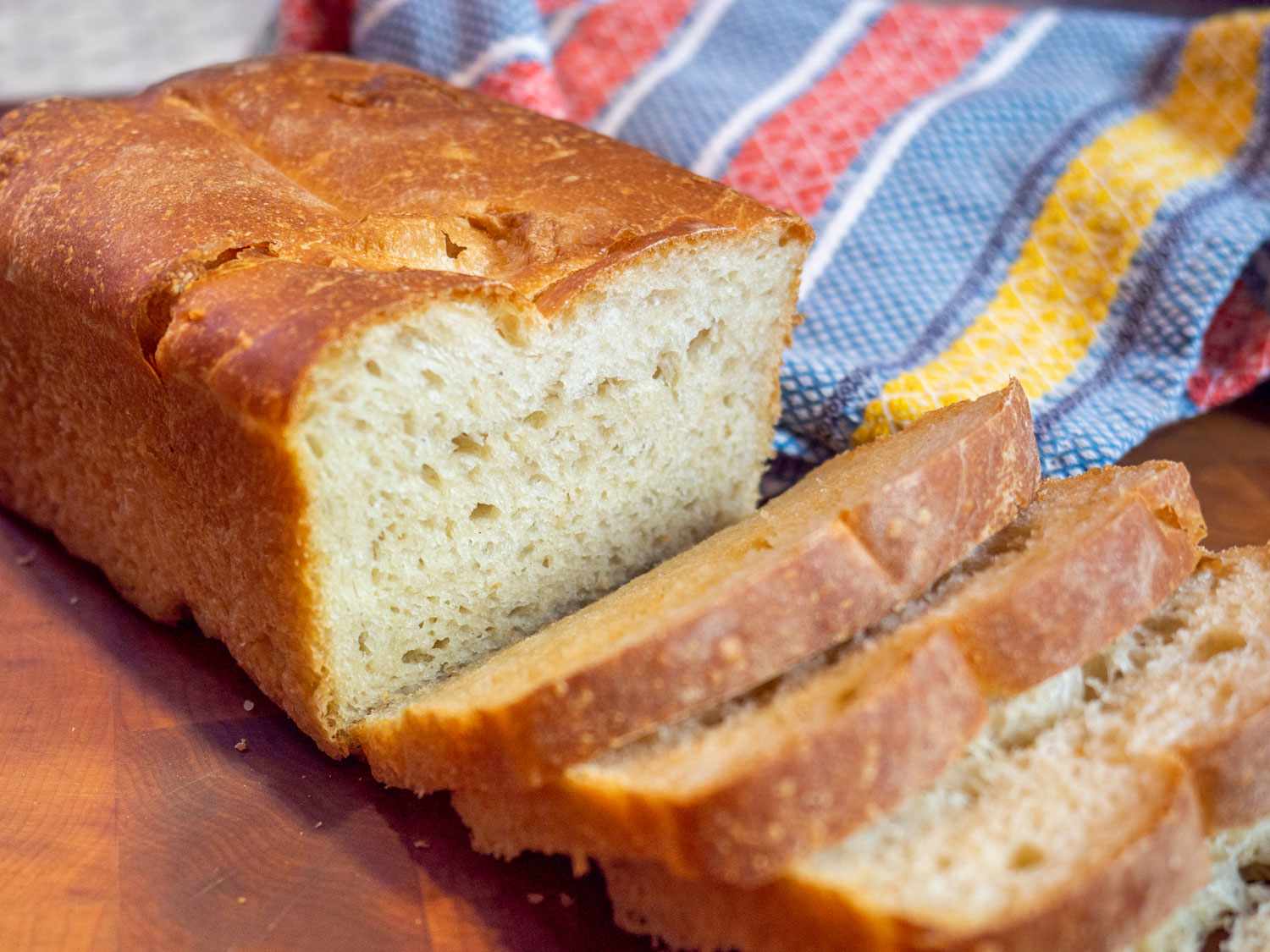
The Art of Bread: A Culinary Staple
Bread, a simple yet essential food item that has been a staple in diets around the world for centuries. From the humble loaf to artisanal creations, bread plays a significant role in various cuisines and cultures.
One of the earliest prepared foods by humans, bread has evolved into a diverse range of shapes, sizes, and flavors. Whether it’s a crusty baguette from France, a soft naan from India, or a hearty rye bread from Germany, each type of bread reflects the unique traditions and tastes of its origin.
Not only is bread versatile in its forms, but it also serves as a canvas for creativity in the kitchen. Chefs and bakers experiment with different ingredients like herbs, seeds, nuts, and fruits to create innovative bread recipes that tantalize the taste buds.
Aside from its deliciousness, bread holds cultural significance in many societies. It symbolizes sharing and community as it often accompanies communal meals and celebrations. In some cultures, breaking bread together signifies unity and friendship.
Furthermore, the process of making bread is an art form in itself. From kneading the dough to allowing it to rise and baking it to perfection, each step requires skill and precision. The aroma of freshly baked bread wafting through a kitchen is enough to evoke feelings of comfort and warmth.
Whether enjoyed on its own with butter or used as a vessel for sandwiches or toast, bread remains a beloved food item cherished by people worldwide. Its ability to bring people together around the table makes it more than just sustenance; it’s a symbol of tradition, creativity, and connection.
In conclusion, bread is not just food; it’s an expression of culture, craftsmanship, and community. So next time you bite into a slice of your favorite loaf or roll, take a moment to appreciate the artistry behind this culinary staple that has stood the test of time.
Exploring Bread: Types, Health Benefits, Preservation, and Cultural Traditions
- What are the different types of bread available?
- How is sourdough bread made?
- Is whole wheat bread healthier than white bread?
- Can you freeze bread to make it last longer?
- What is gluten-free bread, and how does it differ from regular bread?
- Are there any traditional or cultural bread recipes from specific regions?
What are the different types of bread available?
There is a wide variety of bread types available to suit every taste and preference. From classic choices like white, whole wheat, and sourdough to more exotic options such as focaccia, ciabatta, and brioche, the world of bread is rich and diverse. Each type of bread offers a unique texture, flavor profile, and baking technique that sets it apart from the rest. Whether you prefer a hearty multigrain loaf for breakfast toast or a fluffy baguette for your sandwich at lunch, there is a type of bread to satisfy every craving and culinary adventure.
How is sourdough bread made?
Sourdough bread is a beloved artisanal loaf known for its tangy flavor and unique texture, often sparking curiosity about its creation process. To make sourdough bread, a starter culture of flour and water is fermented over several days to develop natural wild yeast and lactobacilli bacteria. This sourdough starter is then mixed with more flour, water, and salt to form the dough, which undergoes a slow fermentation process that can last anywhere from several hours to days. The dough is shaped, proofed, and baked at high temperatures, resulting in a crusty exterior and a soft, holey crumb characteristic of sourdough bread. The intricate method of making sourdough bread highlights the artistry and patience required to achieve its distinctive taste and texture.
Is whole wheat bread healthier than white bread?
The debate between whole wheat bread and white bread often centers on their nutritional value. Whole wheat bread is generally considered healthier than white bread due to its higher fiber content and essential nutrients retained from the whole grain. Whole wheat bread provides more complex carbohydrates, which can help regulate blood sugar levels and promote digestive health. On the other hand, white bread is often processed and stripped of its natural nutrients during refining, resulting in a product with lower fiber content and fewer beneficial components. While both types of bread can be part of a balanced diet, choosing whole wheat bread may offer more health benefits in terms of nutrient density and overall well-being.
Can you freeze bread to make it last longer?
Freezing bread is a common practice to extend its shelf life and prevent it from going stale. By placing bread in the freezer, you can effectively preserve its freshness for a longer period. When properly stored in an airtight container or sealed bag, frozen bread can maintain its texture and flavor. Thawing frozen bread at room temperature or in the oven can restore it to a deliciously soft and warm state, making freezing bread a convenient way to enjoy your favorite loaves for an extended period.
What is gluten-free bread, and how does it differ from regular bread?
Gluten-free bread is a type of bread made without gluten, a protein found in wheat, barley, and rye. For individuals with gluten intolerance or celiac disease, consuming gluten can lead to digestive issues and other health complications. Gluten-free bread is typically made using alternative flours such as rice flour, almond flour, or tapioca flour to mimic the texture and taste of traditional bread. The absence of gluten in gluten-free bread results in a different texture and density compared to regular bread. While regular bread has a chewy and elastic texture due to gluten’s presence, gluten-free bread tends to be denser and crumblier. Despite these differences, gluten-free bread offers a safe and delicious option for those with dietary restrictions related to gluten consumption.
Are there any traditional or cultural bread recipes from specific regions?
Certainly! Traditional and cultural bread recipes from specific regions showcase the rich diversity of flavors and techniques in bread-making around the world. From the tangy sourdough loaves of San Francisco to the sweet and fluffy challah of Jewish tradition, each region has its own unique bread recipes that have been passed down through generations. In Italy, focaccia is a beloved flatbread topped with herbs and olive oil, while in India, naan is a soft and pillowy bread perfect for scooping up flavorful curries. These traditional bread recipes not only reflect the local ingredients and culinary practices but also serve as a connection to heritage and history, making every bite a taste of tradition.