
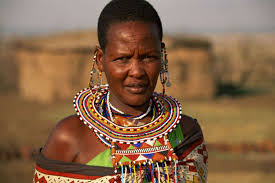
The Beauty of Cultures: A Tapestry of Diversity
Cultures are the threads that weave together the rich tapestry of human society. From the vibrant colors of traditional clothing to the melodious rhythms of indigenous music, each culture adds its unique hue to the canvas of humanity.
Exploring different cultures opens our minds to new perspectives and broadens our understanding of the world. It allows us to appreciate the diversity of traditions, beliefs, and customs that shape communities around the globe.
Food is a delicious gateway to experiencing different cultures. The spicy flavors of Indian curry, the umami richness of Japanese sushi, or the hearty comfort of Italian pasta – each dish tells a story of its origins and reflects the culinary heritage of a people.
Language is another key aspect of culture. The cadence of spoken words, the nuances of expressions, and the beauty of written scripts all contribute to the unique identity of a language. Learning a new language not only enables communication but also fosters connections with people from diverse backgrounds.
Cultural celebrations and festivals showcase the vitality and creativity of communities. Whether it’s the colorful parades during Carnival in Brazil, the intricate lantern displays at Diwali in India, or the solemn rituals of Day of the Dead in Mexico, these events are windows into a culture’s soul.
Art and architecture offer glimpses into a culture’s aesthetics and values. From ancient temples to modern sculptures, from intricate tapestries to avant-garde installations, art reflects society’s aspirations, fears, and dreams.
As we embrace cultural diversity, we foster mutual respect and understanding among peoples. By celebrating differences and recognizing similarities, we build bridges that connect us across continents and generations.
Let us cherish the beauty of cultures as we navigate this mosaic world together, appreciating each thread for its contribution to our shared human experience.
7 Essential Tips for Embracing and Understanding Diverse Cultures
- Respect cultural differences and be open-minded.
- Avoid making assumptions about people based on their culture.
- Learn about the history and traditions of different cultures.
- Be sensitive to cultural norms, customs, and taboos.
- Communicate clearly and respectfully when interacting with people from different cultures.
- Try new foods and participate in cultural events to broaden your perspective.
- Remember that there is no ‘right’ or ‘wrong’ culture – just different ways of living.
Respect cultural differences and be open-minded.
Respecting cultural differences and maintaining an open-minded attitude are essential principles when navigating the diverse tapestry of global cultures. By acknowledging and honoring the unique traditions, beliefs, and practices of different societies, we cultivate a spirit of inclusivity and mutual understanding. Being open-minded allows us to embrace new perspectives, learn from others, and foster meaningful connections across cultural boundaries. In doing so, we not only enrich our own lives but also contribute to a more harmonious and interconnected world where diversity is celebrated as a source of strength and unity.
Avoid making assumptions about people based on their culture.
It is crucial to avoid making assumptions about people based on their culture. Each individual is unique, and cultural background is just one aspect of a person’s identity. Stereotyping or generalizing based on cultural norms can lead to misunderstandings and perpetuate harmful biases. By approaching others with an open mind and a willingness to learn about their personal experiences and perspectives, we can foster genuine connections and mutual respect across cultural boundaries.
Learn about the history and traditions of different cultures.
To truly appreciate and understand the richness of different cultures, it is essential to delve into their history and traditions. By learning about the roots from which customs and beliefs have grown, we gain insight into the values and experiences that shape a culture’s identity. Understanding the historical context behind practices and rituals allows us to grasp their significance and meaning, fostering a deeper connection with diverse communities and promoting cross-cultural empathy and respect.
Be sensitive to cultural norms, customs, and taboos.
It is essential to be sensitive to cultural norms, customs, and taboos when interacting with people from different backgrounds. Respecting these aspects of a culture demonstrates understanding and consideration for the values and traditions that are important to others. By being mindful of cultural sensitivities, we can foster positive and respectful relationships, avoid unintentional offense, and create a more inclusive and harmonious environment where diversity is celebrated.
Communicate clearly and respectfully when interacting with people from different cultures.
When engaging with individuals from diverse cultures, it is essential to communicate clearly and respectfully. Effective communication fosters understanding and promotes positive interactions, bridging potential language or cultural barriers. By being mindful of differences in communication styles and showing respect for varying customs and traditions, we can cultivate meaningful connections and mutual appreciation for the richness of cultural diversity.
Try new foods and participate in cultural events to broaden your perspective.
To expand your cultural horizons, immerse yourself in new foods and engage in cultural events. By savoring diverse cuisines and partaking in traditional celebrations, you not only tantalize your taste buds but also gain a deeper appreciation for the customs and heritage of different societies. Embracing culinary delights and participating in cultural festivities serve as gateways to understanding and respecting the rich tapestry of cultures that make our world so wonderfully diverse.
Remember that there is no ‘right’ or ‘wrong’ culture – just different ways of living.
It is essential to remember that there is no ‘right’ or ‘wrong’ culture; rather, there are simply different ways of living. Each culture brings its own unique perspectives, values, and traditions to the global tapestry of humanity. Embracing cultural diversity allows us to appreciate the richness and complexity of the world we inhabit, fostering mutual respect and understanding among individuals from various backgrounds. By acknowledging and celebrating these differences, we can learn from one another and create a more inclusive and harmonious society.