
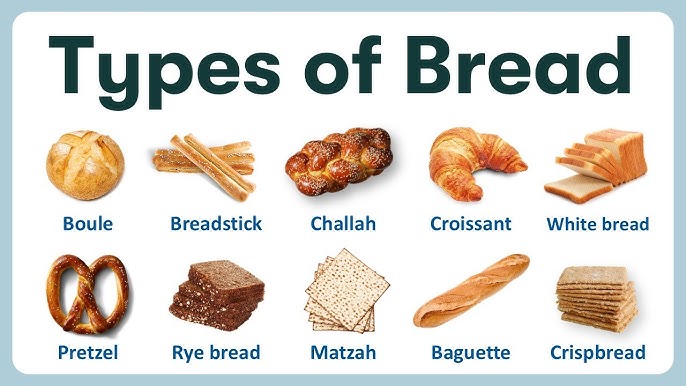
The Art of Breads: A Culinary Delight
Bread, a staple food in many cultures around the world, is more than just a simple carbohydrate. It is a culinary art form that has been perfected over centuries, with each region boasting its own unique varieties and techniques.
From crusty French baguettes to fluffy Italian focaccia, the world of breads is as diverse as it is delicious. Whether you prefer a hearty whole grain loaf or a light and airy brioche, there is a bread out there to satisfy every palate.
One of the joys of breadmaking is the process itself. Mixing together flour, water, yeast, and salt to create a dough that rises and transforms into a golden-brown masterpiece is both satisfying and magical. The smell of freshly baked bread wafting through the kitchen is enough to make anyone’s mouth water.
Not only does bread come in many shapes and sizes, but it also offers endless possibilities for flavor combinations. Add nuts and seeds for crunch, dried fruits for sweetness, or herbs and spices for an extra kick of flavor. The only limit is your imagination.
Whether enjoyed fresh out of the oven with a slather of butter or used as the base for sandwiches, bruschetta, or croutons, bread plays a versatile role in culinary creations. It can be the star of the show or simply a supporting player that ties everything together.
So next time you bite into a warm slice of homemade bread, take a moment to appreciate the craftsmanship and tradition that goes into each loaf. Bread truly is an art form that nourishes both body and soul.
6 Essential Tips for Storing, Using, and Baking Bread
- Store bread in a cool, dry place to prevent mold growth.
- Freeze sliced bread for longer storage and easy defrosting.
- Use stale bread to make croutons or breadcrumbs.
- Experiment with different types of flour for unique flavors and textures in your homemade breads.
- Allow freshly baked bread to cool completely before slicing to avoid squishing the loaf.
- Brushing the crust of bread with water before baking can create a crispy exterior.
Store bread in a cool, dry place to prevent mold growth.
To maintain the freshness and quality of your bread, it is essential to store it in a cool, dry place. By keeping your bread away from moisture and humidity, you can prevent mold growth and extend its shelf life. Proper storage not only preserves the taste and texture of the bread but also ensures that each slice remains enjoyable to eat. Remember, a simple step like storing your bread correctly can make a significant difference in its overall quality.
Freeze sliced bread for longer storage and easy defrosting.
To prolong the freshness of your bread and simplify the defrosting process, consider freezing sliced bread. By slicing the bread before freezing, you can easily retrieve individual slices as needed without having to thaw the entire loaf. This method not only extends the shelf life of your bread but also ensures that you always have quick and convenient access to perfectly defrosted slices whenever hunger strikes.
Use stale bread to make croutons or breadcrumbs.
When it comes to making the most of your bread, a handy tip is to repurpose stale slices by transforming them into flavorful croutons or breadcrumbs. Instead of letting that loaf go to waste, simply toast or cube the stale bread to create crispy croutons that add a delightful crunch to salads or soups. Alternatively, you can pulse the bread in a food processor to make breadcrumbs perfect for coating meats or adding texture to casseroles. This clever kitchen hack not only reduces food waste but also elevates your dishes with homemade touches that showcase your resourcefulness and creativity.
Experiment with different types of flour for unique flavors and textures in your homemade breads.
To elevate your homemade bread to new heights, consider experimenting with various types of flour to unlock a world of unique flavors and textures. From nutty whole wheat flour to delicate pastry flour, each variety brings its own distinct character to the final product. Mixing different flours can create a harmonious blend of flavors and add complexity to your breads, making each batch a delightful culinary adventure for your taste buds. So don’t be afraid to step outside your comfort zone and embrace the endless possibilities that different types of flour can offer in creating truly exceptional homemade breads.
Allow freshly baked bread to cool completely before slicing to avoid squishing the loaf.
To maintain the integrity of a freshly baked loaf of bread, it is essential to allow it to cool completely before slicing. This crucial step ensures that the bread retains its structure and texture without getting squished or compressed. By giving the bread time to cool down, you allow the internal moisture to redistribute evenly, resulting in a perfectly sliced loaf that is both visually appealing and satisfying to eat. So, exercise patience and let your freshly baked bread cool before diving in to enjoy its deliciousness.
Brushing the crust of bread with water before baking can create a crispy exterior.
Brushing the crust of bread with water before baking can work wonders in achieving the perfect crispy exterior. This simple yet effective technique helps to create a beautifully golden and crunchy crust that adds texture and flavor to the bread. By adding moisture to the surface before baking, the water evaporates during the cooking process, resulting in a crust that is crispy and delightful to bite into. Next time you bake bread, consider this tip to elevate your loaves to a new level of deliciousness.