
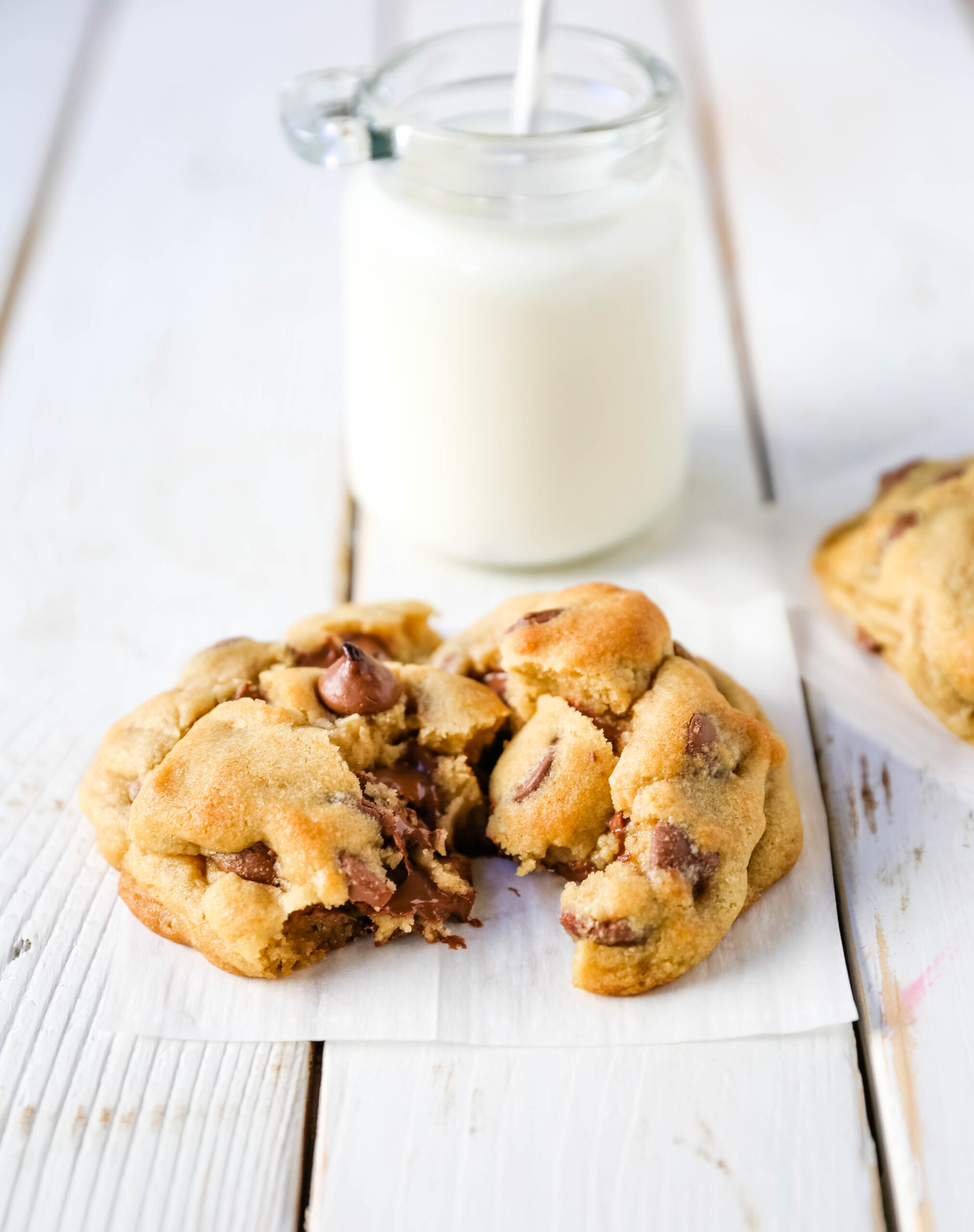
The Delicious Delight of Crumble Desserts
One of the most comforting and versatile desserts out there is the humble crumble. Whether it’s a warm apple crumble topped with a scoop of vanilla ice cream or a tangy berry crumble bursting with summer flavors, this dessert never fails to satisfy sweet cravings and evoke feelings of nostalgia.
At its core, a crumble consists of a layer of sweetened fruit filling topped with a crispy, buttery crumbly topping made from flour, sugar, and butter. The beauty of crumbles lies in their simplicity and adaptability – you can use almost any fruit you like, from apples and pears to peaches, berries, or even a combination of fruits.
One key element that sets crumbles apart from other desserts is the texture contrast between the soft, juicy fruit filling and the crunchy, golden-brown topping. This delightful combination creates a symphony of flavors and textures in every bite.
When it comes to serving crumbles, they are incredibly versatile. They can be enjoyed warm or cold, on their own or paired with a dollop of whipped cream, custard, or ice cream. The warmth of a freshly baked crumble on a chilly evening or the refreshing coolness of a fruit crumble on a hot summer day makes it a dessert for all seasons.
Whether you’re hosting a dinner party, looking for a comforting treat after a long day, or simply craving something sweet and satisfying, a homemade crumble is sure to hit the spot. With endless variations to explore and experiment with, the possibilities are as limitless as your imagination.
So next time you’re in the mood for something sweet and comforting, consider whipping up a batch of delicious crumble. It’s easy to make, impossible to resist, and guaranteed to bring joy to your taste buds.
Unraveling the Mysteries of Crumble: Tips, Meanings, and More
- What is the secret to good crumble?
- What does its crumble mean?
- What does Crumbl mean?
- What is crumble slang for?
What is the secret to good crumble?
The secret to a good crumble lies in achieving the perfect balance of flavors and textures. It starts with selecting ripe, high-quality fruit that is bursting with natural sweetness and flavor. The fruit should be the star of the show, so it’s essential to let its natural taste shine through. Additionally, the crumble topping plays a crucial role – it should be crispy and golden on top while remaining buttery and tender underneath. The key is to use the right ratio of flour, sugar, and butter to create that irresistible crunchy texture that contrasts beautifully with the soft fruit filling. Lastly, don’t forget to add a touch of spice or citrus zest to elevate the overall flavor profile and make your crumble truly unforgettable.
What does its crumble mean?
“Crumble” in the context of desserts refers to a type of dish typically made with a fruit filling topped with a crumbly mixture of flour, sugar, and butter. The term “crumble” describes the texture of the topping, which becomes crispy and golden-brown when baked. This dessert is beloved for its simplicity, versatility, and delicious contrast between the soft fruit filling and the crunchy topping. Whether it’s an apple crumble, berry crumble, or any other variation, this dessert is a comforting treat enjoyed by many for its sweet flavors and satisfying textures.
What does Crumbl mean?
“Crumbl” is a common misspelling or variation of the word “crumble,” especially when referring to the dessert. In the context of desserts, a crumble typically consists of a fruit filling topped with a crumbly mixture of flour, sugar, and butter. The term “crumbl” does not have a specific culinary meaning and is likely a typo or misinterpretation of the word “crumble.”
What is crumble slang for?
In culinary terms, “crumble” refers to a delicious dessert made with a fruit filling topped with a crumbly mixture of flour, sugar, and butter that is baked until golden and crispy. However, in slang language, “crumble” can also be used to describe something falling apart or breaking down. The versatility of the word “crumble” showcases how language can have different meanings depending on the context in which it is used.