
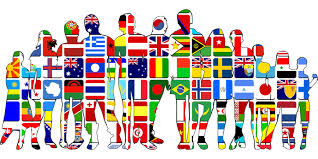
The Beauty of Culture: A Tapestry of Traditions and Values
Culture is the essence of humanity, a rich tapestry woven from the threads of traditions, beliefs, values, language, arts, and customs. It is the collective expression of a community, reflecting its history, identity, and aspirations. As diverse as the world itself, culture encompasses a wide spectrum of practices that shape our understanding of the world and our place within it.
One of the most fascinating aspects of culture is its ability to connect people across time and space. Through cultural expressions such as music, dance, literature, cuisine, and rituals, individuals are able to communicate shared experiences and emotions that transcend language barriers. These cultural exchanges foster a sense of unity and understanding among diverse communities.
Moreover, culture serves as a repository of knowledge and wisdom passed down through generations. It preserves ancestral traditions and teachings that provide insights into the values and beliefs that have guided societies throughout history. By honoring these cultural legacies, we acknowledge the contributions of our predecessors and gain a deeper appreciation for our own heritage.
At its core, culture is a dynamic force that evolves in response to changing circumstances and influences. It adapts to new ideas and technologies while preserving fundamental principles that define a community’s identity. This adaptive nature allows cultures to thrive in an ever-changing world while maintaining their unique character.
Embracing diversity is essential in cultivating an inclusive society that celebrates the richness of different cultures. By recognizing the beauty in cultural differences, we can learn from one another, broaden our perspectives, and build bridges that connect us on a global scale.
In conclusion, culture is not merely a set of practices or beliefs; it is a living expression of human creativity and resilience. It shapes our interactions with the world and with each other, fostering connections that transcend borders and languages. By embracing the diversity of cultures around us, we enrich our lives with new experiences and insights that inspire us to create a more harmonious future for all.
9 Tips for Embracing and Understanding Diverse Cultures
- Respect the customs and traditions of different cultures.
- Be open-minded and willing to learn about other cultures.
- Avoid making assumptions or generalizations about a culture.
- Listen actively and ask questions to understand cultural differences.
- Be mindful of non-verbal communication cues in different cultures.
- Try new foods and participate in cultural activities to broaden your perspective.
- Learn a few basic phrases in the language of a culture you are interested in.
- Read books or watch movies from diverse cultures to gain insights into their values and beliefs.
- Remember that diversity is a strength, and embracing different cultures enriches our lives.
Respect the customs and traditions of different cultures.
Respecting the customs and traditions of different cultures is a fundamental principle that promotes understanding, empathy, and harmony in a diverse world. By honoring the practices and beliefs of others, we demonstrate a willingness to learn from their unique perspectives and histories. This act of respect not only fosters mutual appreciation but also strengthens the fabric of our global community by building bridges of acceptance and inclusivity. Embracing the richness of cultural diversity through respect allows us to celebrate the beauty of our differences while recognizing the common humanity that unites us all.
Be open-minded and willing to learn about other cultures.
To truly appreciate and embrace the beauty of culture, it is essential to maintain an open mind and a willingness to learn about other cultures. By approaching unfamiliar traditions, customs, and beliefs with curiosity and respect, we not only expand our knowledge but also foster connections with people from diverse backgrounds. Embracing cultural diversity enriches our lives, broadens our perspectives, and promotes understanding and harmony in an increasingly interconnected world.
Avoid making assumptions or generalizations about a culture.
It is crucial to avoid making assumptions or generalizations about a culture, as doing so can lead to misunderstandings and perpetuate stereotypes. Each culture is complex and diverse, with its own unique customs, traditions, and values. By taking the time to learn about a culture firsthand and engaging with its members respectfully, we can gain a deeper understanding of their perspectives and experiences. Approaching cultural differences with an open mind and a willingness to listen allows us to appreciate the richness and diversity of human traditions without falling into the trap of oversimplification or prejudice.
Listen actively and ask questions to understand cultural differences.
To navigate and appreciate cultural differences effectively, it is crucial to engage in active listening and ask thoughtful questions. By actively listening to others’ perspectives and experiences, we demonstrate respect and a genuine interest in understanding their cultural background. Asking questions allows us to delve deeper into the nuances of different cultures, gaining valuable insights that can help bridge gaps in understanding and foster meaningful connections. Through active listening and thoughtful questioning, we can cultivate empathy, build rapport, and navigate cultural differences with sensitivity and openness.
Be mindful of non-verbal communication cues in different cultures.
When navigating cultural interactions, it is crucial to be mindful of non-verbal communication cues, as they can vary significantly across different cultures. Gestures, facial expressions, body language, and eye contact all carry distinct meanings that may be interpreted differently depending on the cultural context. By understanding and respecting these nuances, individuals can enhance cross-cultural communication and avoid misunderstandings that may arise from differences in non-verbal cues. Being sensitive to these subtle signals demonstrates a genuine effort to bridge cultural divides and foster mutual understanding and respect.
Try new foods and participate in cultural activities to broaden your perspective.
Exploring different cuisines and engaging in cultural activities are powerful ways to expand your worldview and deepen your understanding of diverse cultures. By stepping out of your culinary comfort zone and trying new foods, you not only tantalize your taste buds but also gain insight into the traditions, history, and values of a particular culture. Similarly, participating in cultural activities such as festivals, art exhibitions, or performances allows you to immerse yourself in the rich tapestry of human expression, fostering empathy and appreciation for the beauty of diversity. Embrace the opportunity to savor new flavors and experiences as you embark on a journey of discovery that broadens your perspective and enriches your life.
Learn a few basic phrases in the language of a culture you are interested in.
To truly immerse yourself in the essence of a culture you are drawn to, take the time to learn a few basic phrases in its language. By mastering simple greetings or expressions, you not only show respect for the local customs but also open doors to deeper connections with the people you encounter. Speaking even a few words in their language can bridge communication gaps, demonstrate your interest and appreciation for their culture, and foster genuine interactions that transcend linguistic barriers. It’s a small gesture that can make a big difference in your cultural experiences and leave a lasting impression on those you engage with.
Read books or watch movies from diverse cultures to gain insights into their values and beliefs.
Exploring literature and films from diverse cultures offers a window into the values and beliefs that shape societies around the world. By immersing ourselves in stories and narratives that reflect different perspectives, we can broaden our understanding of humanity’s rich tapestry of traditions and ideologies. Through this cultural exchange, we not only gain insights into unfamiliar ways of life but also cultivate empathy and appreciation for the diversity that makes our world so vibrant and interconnected.
Remember that diversity is a strength, and embracing different cultures enriches our lives.
Remember that diversity is a strength, and embracing different cultures enriches our lives. By opening our hearts and minds to the myriad ways of life that exist around us, we not only broaden our perspectives but also foster a sense of unity and understanding among people from all walks of life. Each culture brings its unique traditions, values, and insights to the table, creating a vibrant tapestry of human experience that enhances our collective journey. Embracing diversity allows us to celebrate the richness of our differences while finding common ground in our shared humanity.