
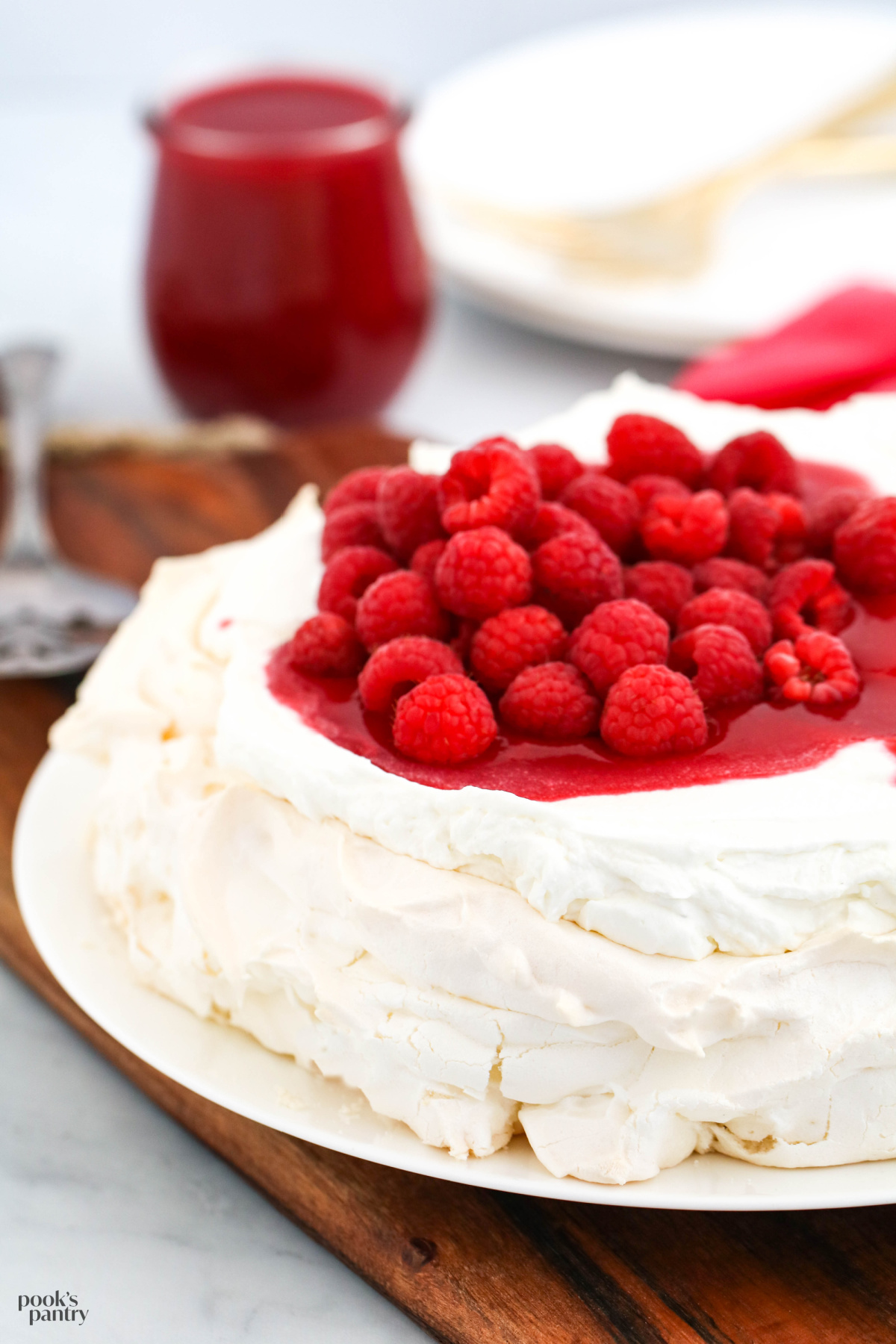
The Delicate Delight of Pavlova
Pavlova, a dessert named after the famous Russian ballerina Anna Pavlova, is a true culinary masterpiece that delights the taste buds with its delicate texture and sweet flavors.
At first glance, pavlova appears as a work of art – a crisp meringue shell with a soft and marshmallow-like interior. Topped with a generous dollop of whipped cream and an assortment of fresh fruits such as strawberries, kiwi, and passion fruit, pavlova is not only visually stunning but also a symphony of flavors.
The key to a perfect pavlova lies in achieving the ideal balance between the crisp exterior and the chewy center. The meringue base is made from egg whites and sugar, whipped to stiff peaks before being gently baked to create that signature texture.
While the origins of pavlova are often debated between Australia and New Zealand, there is no denying its popularity worldwide. It has become a staple dessert at celebrations and gatherings, loved for its lightness and versatility.
Whether enjoyed on a warm summer evening or as a festive treat during the holidays, pavlova never fails to impress. Its airy sweetness dances on the palate, leaving a lingering sensation that beckons for another bite.
In conclusion, pavlova is more than just a dessert – it is an experience. From its elegant presentation to its heavenly taste, pavlova embodies the joy of indulging in something truly special.
Mastering Pavlova: 8 Essential Tips for Perfecting Your Dessert
- Use room temperature egg whites for better volume when whipping.
- Add a small amount of vinegar or lemon juice to stabilize the meringue.
- Gradually add sugar while beating egg whites to achieve stiff peaks.
- Draw a circle on parchment paper as a guide for shaping the pavlova.
- Bake at a low temperature for a longer time to prevent browning.
- Allow the pavlova to cool completely in the oven with the door slightly open.
- Top with whipped cream and fresh fruits just before serving for best texture.
- Store leftovers in an airtight container away from moisture to maintain crispness.
Use room temperature egg whites for better volume when whipping.
For optimal results when making pavlova, it is recommended to use room temperature egg whites. This simple tip can make a significant difference in the volume and texture of the whipped egg whites, resulting in a lighter and fluffier meringue base for your pavlova. Room temperature egg whites whip up more easily and achieve greater volume compared to cold egg whites, ensuring that your pavlova has the perfect balance of crispness and chewiness that makes it truly irresistible.
Add a small amount of vinegar or lemon juice to stabilize the meringue.
To enhance the stability and texture of your pavlova’s meringue, consider incorporating a small amount of vinegar or lemon juice into the mixture. These acidic ingredients help stabilize the egg whites, resulting in a firmer and more resilient meringue that holds its shape beautifully during baking. By adding vinegar or lemon juice, you can ensure that your pavlova retains its crisp exterior and soft interior, creating a dessert that is both visually appealing and delightfully light on the palate.
Gradually add sugar while beating egg whites to achieve stiff peaks.
To achieve the perfect pavlova, a crucial tip is to gradually add sugar while beating the egg whites until stiff peaks form. This technique ensures that the meringue base will have the ideal texture – crisp on the outside and soft on the inside. By slowly incorporating the sugar, you allow it to dissolve evenly into the egg whites, resulting in a stable and fluffy mixture that will bake into a delightful pavlova shell. Mastering this step is key to creating a pavlova that is light, airy, and irresistibly delicious.
Draw a circle on parchment paper as a guide for shaping the pavlova.
To ensure a perfectly shaped pavlova, a helpful tip is to draw a circle on parchment paper as a guide for shaping the dessert. This simple yet effective technique provides a visual reference for creating a uniform and symmetrical meringue base. By following the circle outline, you can easily shape the pavlova into a neat and consistent round form, enhancing both its presentation and texture. This practical tip helps to achieve a professional-looking result while maintaining the desired light and airy texture that pavlova is known for.
Bake at a low temperature for a longer time to prevent browning.
To ensure the perfect pavlova, it is recommended to bake at a low temperature for a longer period of time to prevent browning. This technique allows the meringue to slowly dry out and set without turning brown, resulting in a crisp exterior and a soft, chewy interior. By taking the time to bake at a lower temperature, you can achieve that signature pavlova texture while maintaining its pristine white appearance, ready to be adorned with luscious toppings for a truly delightful dessert experience.
Allow the pavlova to cool completely in the oven with the door slightly open.
To ensure the perfect texture and consistency of your pavlova, it is crucial to allow it to cool completely in the oven with the door slightly open. This gradual cooling process helps prevent the meringue from collapsing and maintains its crisp exterior while retaining a soft, marshmallow-like center. By following this tip, you can achieve a beautifully crafted pavlova that is not only visually appealing but also a delightful treat for your taste buds.
Top with whipped cream and fresh fruits just before serving for best texture.
For the ultimate pavlova experience, remember to top it with a generous swirl of whipped cream and an array of fresh fruits right before serving. This final touch not only enhances the visual appeal of the dessert but also ensures that you enjoy the perfect texture combination of the crisp meringue shell, fluffy cream, and juicy fruits. By following this tip, you’ll savor every bite of your pavlova at its absolute best, creating a delightful symphony of flavors and textures that will leave you wanting more.
Store leftovers in an airtight container away from moisture to maintain crispness.
To preserve the crispness of leftover pavlova, it is essential to store it in an airtight container and keep it away from moisture. This simple tip helps maintain the delicate texture of the meringue shell, ensuring that each bite remains as delightful as when it was first served. Proper storage not only retains the pavlova’s crisp exterior but also safeguards its overall freshness, allowing you to savor its sweet flavors for longer periods.