
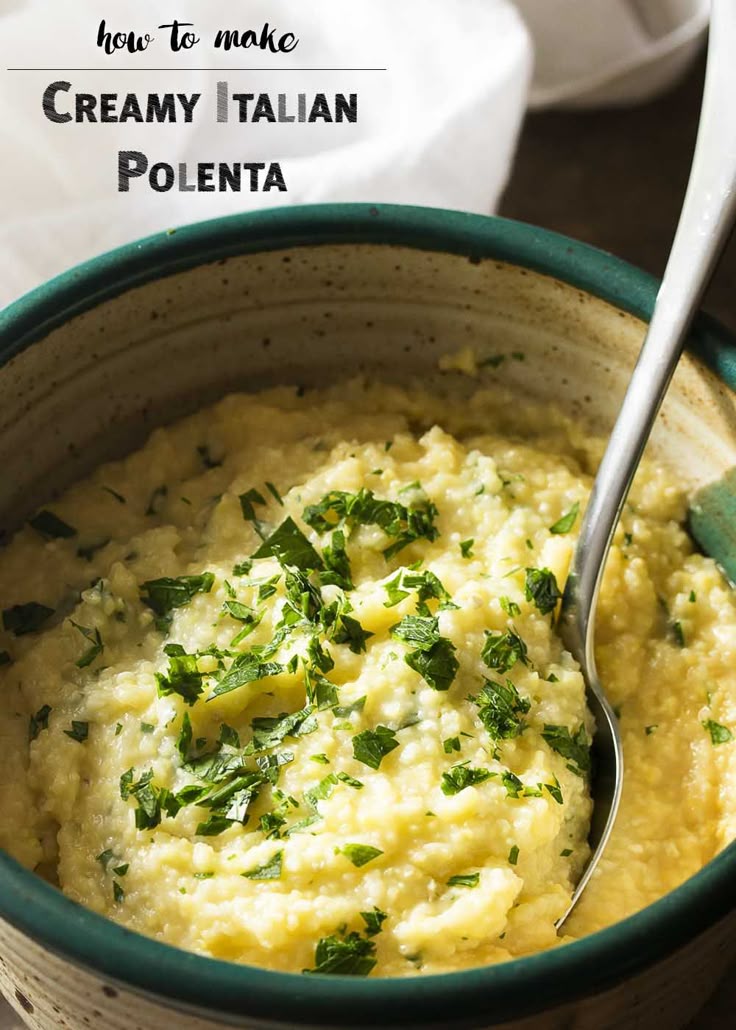
The Delightful World of Polenta: A Taste of Italy
Polenta, a beloved staple in Italian cuisine, has been enjoyed for centuries and continues to captivate food enthusiasts around the world with its versatility and comforting flavors.
Originating in Northern Italy, polenta is a dish made from coarsely ground yellow or white cornmeal. It can be cooked to various consistencies – creamy and smooth or firm and sliceable – making it suitable for a wide range of dishes.
One of the most traditional ways to enjoy polenta is as a creamy side dish served with hearty stews, braised meats, or sautéed vegetables. Its mild flavor acts as the perfect canvas for rich sauces and savory toppings, enhancing the overall dining experience.
Polenta can also be cooled and solidified before being grilled, baked, or fried. This method transforms the dish into a crispy and golden delight that pairs wonderfully with cheeses, mushrooms, or even fresh herbs.
Furthermore, polenta is gluten-free, making it an excellent alternative for individuals with dietary restrictions. Its wholesome nature and ability to complement a wide array of ingredients make it a versatile ingredient in both traditional and modern cooking.
Whether you savor it as a comforting side dish or explore its creative potential in innovative recipes, polenta embodies the essence of Italian culinary tradition – simple yet satisfying, rustic yet refined.
So next time you’re looking to add a touch of Italian flair to your dining table, consider incorporating polenta into your menu. Let this humble cornmeal dish transport you to the sun-kissed hillsides of Italy with every delicious bite.
Discover the Versatility and Flavor of Gluten-Free Polenta: A Traditional Italian Staple
- Versatile ingredient suitable for a wide range of dishes.
- Gluten-free, making it an excellent option for those with dietary restrictions.
- Pairs well with rich sauces, savory toppings, cheeses, and fresh herbs.
- Can be enjoyed creamy or firm, offering diverse texture options.
- Traditional Italian staple that embodies rustic yet refined flavors.
- Easy to prepare and can be transformed into crispy delights when grilled or fried.
Challenges of Cooking Polenta: Stirring, Time, Flavor, and Reheating Issues
- Requires constant stirring while cooking to prevent lumps from forming.
- Takes longer to prepare compared to some other side dishes due to the cooking time needed for the cornmeal to soften.
- May have a bland taste if not seasoned or paired with flavorful toppings or sauces.
- Leftover polenta can become dry and lose its creamy texture when reheated.
Versatile ingredient suitable for a wide range of dishes.
Polenta, a versatile ingredient in Italian cuisine, offers endless culinary possibilities due to its ability to adapt to a wide range of dishes. Whether served creamy as a comforting side dish or firm and grilled for a crispy texture, polenta effortlessly complements various flavors and ingredients. Its neutral taste serves as a perfect base for rich sauces, savory meats, fresh vegetables, and flavorful toppings, making it a go-to ingredient for both traditional recipes and modern culinary creations. The adaptability of polenta allows chefs and home cooks alike to explore their creativity in the kitchen while enjoying the delicious essence of Italian cuisine.
Gluten-free, making it an excellent option for those with dietary restrictions.
One of the standout advantages of Italian polenta is its gluten-free nature, making it a fantastic choice for individuals with dietary restrictions. Being free from gluten, a protein found in wheat, barley, and rye, polenta offers a delicious and versatile alternative for those who need to avoid gluten in their diets. This characteristic not only expands the culinary options for people with gluten sensitivities or celiac disease but also allows them to enjoy the comforting flavors and textures of this traditional Italian dish without any worries.
Pairs well with rich sauces, savory toppings, cheeses, and fresh herbs.
Polenta’s versatility shines through in its ability to harmonize with a variety of flavors and ingredients. Whether adorned with rich sauces, savory toppings, melted cheeses, or a sprinkling of fresh herbs, polenta serves as the perfect base to elevate the dining experience. Its mild yet hearty taste provides a delicious backdrop for the bold and nuanced profiles of these accompaniments, creating a symphony of flavors that delight the palate with each indulgent bite.
Can be enjoyed creamy or firm, offering diverse texture options.
One of the standout advantages of Italian polenta is its versatility in texture. Whether enjoyed creamy and smooth or firm and sliceable, polenta offers a diverse range of options to suit different preferences and culinary applications. This flexibility allows for endless creativity in preparing dishes, as the texture of the polenta can be tailored to complement various ingredients and cooking methods. Whether you prefer a comforting bowl of creamy polenta topped with a rich stew or a crispy grilled slice served with flavorful toppings, the ability to enjoy polenta in different textures adds depth and dimension to this classic Italian dish.
Traditional Italian staple that embodies rustic yet refined flavors.
Polenta, a traditional Italian staple, perfectly embodies the essence of rustic yet refined flavors. Its humble origins in Northern Italy speak to a history of simple, hearty meals that have stood the test of time. The coarsely ground cornmeal used to make polenta transforms into a versatile dish that can be enjoyed in various forms – creamy and comforting or firm and crispy. This duality of textures and flavors showcases the versatility of polenta in both traditional and modern Italian cuisine, making it a beloved ingredient that captures the heart of Italian cooking.
Easy to prepare and can be transformed into crispy delights when grilled or fried.
One of the standout advantages of Italian polenta is its ease of preparation and its remarkable transformation when grilled or fried. With just a few simple steps, this humble cornmeal dish can be elevated into crispy delights that tantalize the taste buds. Whether you choose to grill it to perfection or fry it to a golden crisp, the versatility of polenta allows for endless culinary creativity, making it a versatile and delicious addition to any meal.
Requires constant stirring while cooking to prevent lumps from forming.
One downside of preparing Italian polenta is the need for constant stirring during the cooking process to prevent lumps from forming. This meticulous task demands attention and patience, as the cornmeal thickens and absorbs liquid gradually. While the effort may seem labor-intensive, the reward is a smooth and creamy texture that defines a perfectly cooked polenta dish. The act of stirring becomes a meditative ritual, infusing the dish with care and ensuring a delightful dining experience for those who appreciate the art of traditional Italian cooking.
Takes longer to prepare compared to some other side dishes due to the cooking time needed for the cornmeal to soften.
One drawback of Italian polenta is its extended preparation time in comparison to certain other side dishes. The process of cooking the cornmeal to achieve the desired texture and consistency can be time-consuming, requiring patience and attention to detail. While the slow cooking is essential for developing the rich flavors and creamy texture that define a perfect polenta dish, it may not always align with the need for quick and convenient meal preparations. Despite this challenge, many enthusiasts believe that the effort put into preparing authentic polenta is well worth the wait, resulting in a truly satisfying culinary experience that honors Italian tradition and craftsmanship.
May have a bland taste if not seasoned or paired with flavorful toppings or sauces.
One downside of Italian polenta is that it may have a bland taste if not seasoned properly or paired with flavorful toppings or sauces. Due to its mild flavor profile, polenta relies heavily on the accompanying ingredients to enhance its taste and elevate the overall dish. Without the right seasonings or complementary flavors, plain polenta can lack excitement and depth, potentially leaving diners wanting more from their culinary experience.
Leftover polenta can become dry and lose its creamy texture when reheated.
One common downside of Italian polenta is that leftover portions can lose their creamy texture and become dry when reheated. Unlike freshly made polenta, which boasts a smooth and luscious consistency, reheated polenta may lack the same level of moisture and richness. This change in texture can impact the overall dining experience, as the once velvety dish may now feel less indulgent and satisfying. To combat this issue, some chefs recommend adding a splash of broth or milk while reheating to help restore some of the lost creaminess. Despite this drawback, the delicious flavors and versatility of polenta continue to make it a beloved component of Italian cuisine.